
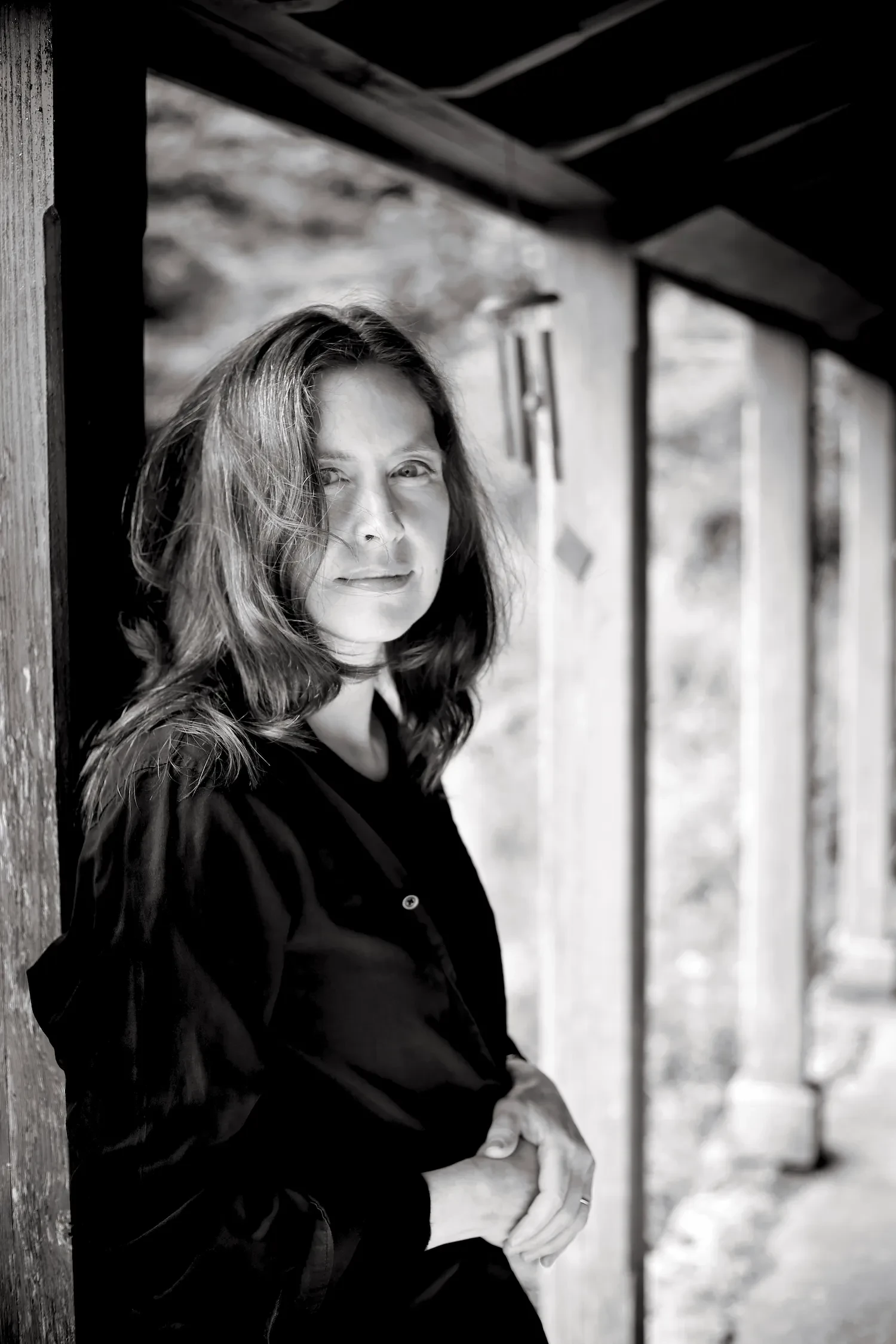
There are singers who perform folk music, and then there are singers who seem to have been made by it — shaped by the same forces that shaped the songs themselves. Sarah McQuaid belongs to the second category. Born in Spain, raised in the United States, and long settled in Cornwall, England, having lived previously in Ireland for 13 years, she carries within her a geography of influences that defies easy summary. Her voice is one of the most distinctive in contemporary folk: warm, unhurried, and possessed of a depth that makes even the simplest melody feel like something ancient and necessary.
McQuaid's story begins in an unusual place for a folk musician. She was born in Madrid to a Spanish father and an American mother, grew up in Chicago, and eventually made her home in Dublin — a journey that gave her an outsider's perspective on every tradition she encountered, and an insider's feeling for all of them. She came to music through the piano before discovering the guitar, and it was the guitar — particularly the open-tuned, fingerpicked style associated with the British and American folk revivals — that became the vehicle for everything she wanted to say.
Her debut album, When Two Lovers Meet, was released in 1997 and announced the arrival of a genuinely original voice. It drew on traditional material but treated it with a freedom and intelligence that set it apart from straightforward revival work. McQuaid was not interested in preservation for its own sake; she was interested in what the old songs could still do, what they could still mean, when handled with care and imagination. That approach has defined every record she has made since.
The albums that followed — including If We Dig Any Deeper It Could Get Dangerous, The Plum Tree and the Rose, and Walking Into White — built a body of work that is remarkable for its consistency of vision and its willingness to take risks. Walking Into White, released in 2015, was recorded in a single room with minimal production and stands as one of the most intimate and emotionally direct folk records of its decade. The title track alone — a meditation on winter, isolation, and the strange comfort of disappearing into a landscape — is the kind of song that stays with you for years.
"A record about time — about the way the past persists in the present, about memory and loss and the particular quality of light at certain hours."
— On The St Buryan Sessions (2021)
Her most recent album, The St Buryan Sessions, released in 2021, continued in this direction while pushing further into territory that is harder to name. It is a record about time — about the way the past persists in the present, about memory and loss and the particular quality of light at certain hours. The production is spare, the arrangements precise, and McQuaid's voice sits at the centre of it all with a quiet authority that never tips into self-importance. It is the work of an artist who has found her form and is using it with increasing confidence.
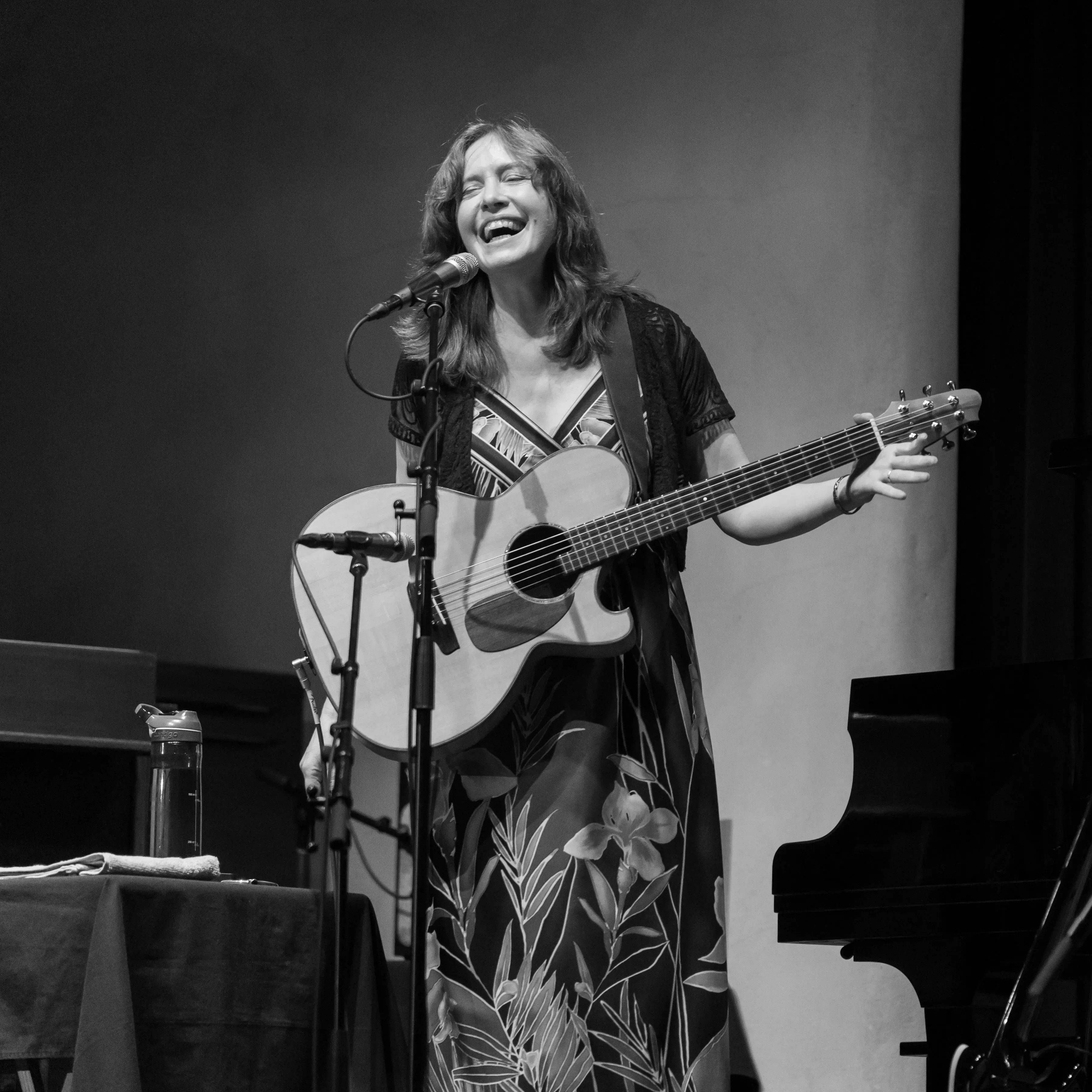
Live, McQuaid is a compelling presence. She always performs solo, and the intimacy of her recordings translates directly to the stage. She has toured extensively across the UK, Ireland, Europe, and North America, building a devoted following through the kind of word-of-mouth that only comes from performances that genuinely move people. Her YouTube channel documents many of these performances, and watching them gives a clear sense of what she does: she creates a space in which the music can be heard properly, without distraction or embellishment.
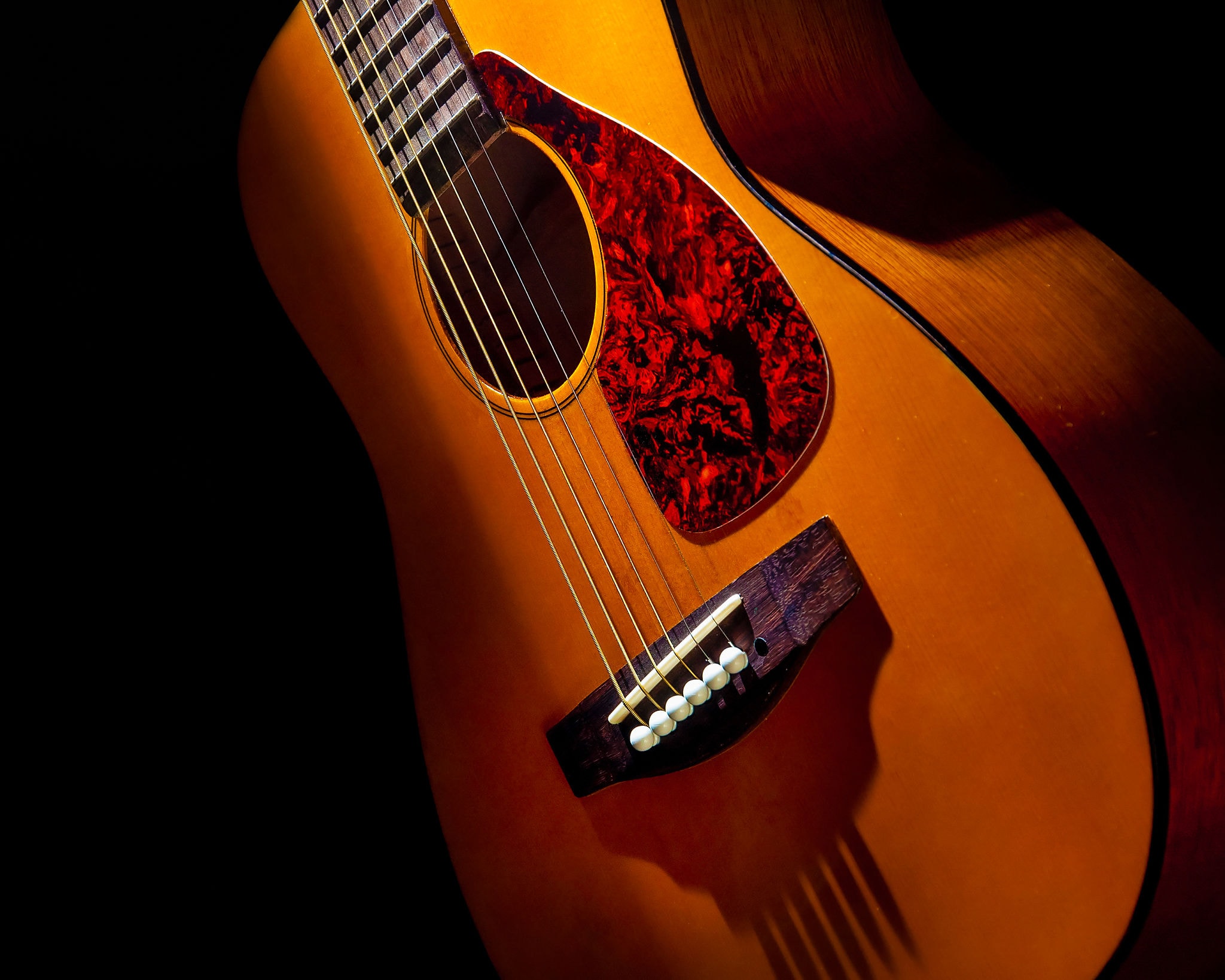
Her guitar playing deserves particular attention. She works exclusively in the DADGAD tuning, using the resonance of the instrument to create textures that support and extend her voice rather than competing with it. There is a precision to her playing that is easy to overlook because it never draws attention to itself — the technique is always in service of the song, never the other way around. This is a discipline that many musicians aspire to and few achieve, and it is one of the things that makes her work so satisfying to return to.
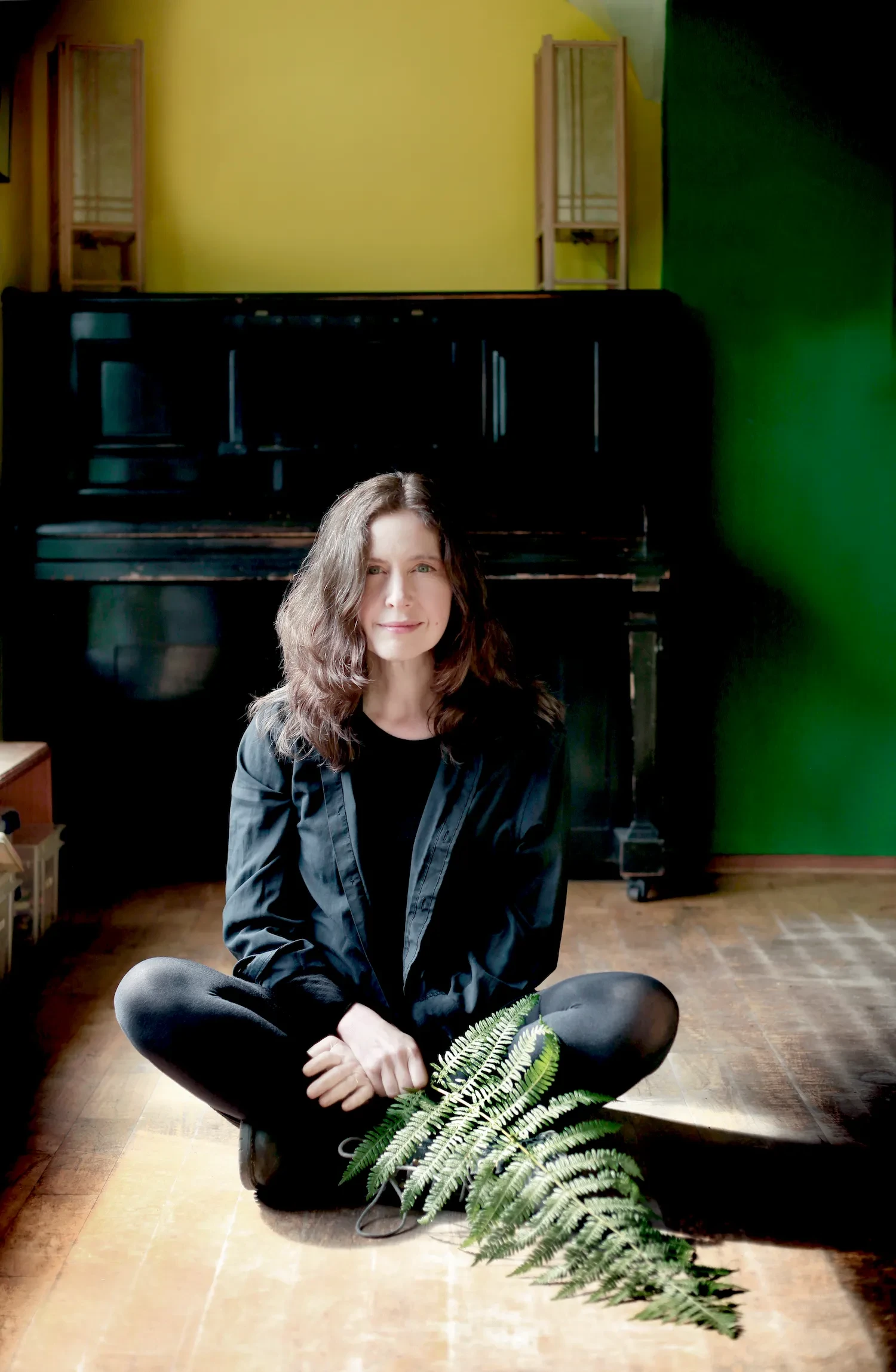
McQuaid also teaches, offering workshops in guitar technique, songwriting, and the folk tradition that reflect her deep engagement with the music as a living practice rather than a historical artefact. This commitment to passing on what she knows is consistent with her broader artistic philosophy: the tradition matters not because it is old but because it is useful, because it contains ways of understanding experience that remain relevant and alive. Her workshops have been praised by participants for their rigour, warmth, and the generosity with which she shares her knowledge.
In a musical landscape that often rewards novelty over depth, Sarah McQuaid has built her reputation on something more durable: the quality of her attention. She listens carefully to the songs she sings, to the traditions she draws from, and to the audiences she performs for, and that listening is audible in every note she plays. Her Spotify catalogue is an excellent place to begin, but the full measure of what she does is best taken in a live setting — in a room where her voice can do what it was made to do, which is to make the world feel, for a moment, both larger and more intimate than it usually does.
Catch Sarah McQuaid Live
Tour dates and upcoming shows at sarahmcquaid.com